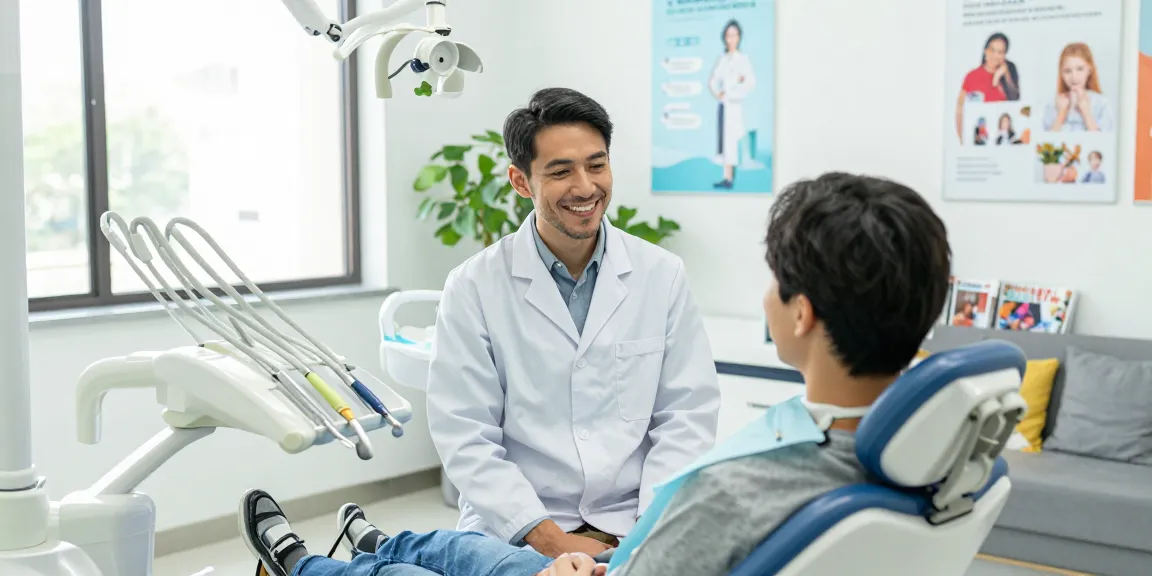
Understanding the Importance of Regular Dental Visits
Maintaining optimal dental health is paramount for overall well-being. Regular dental visits not only keep your teeth and gums healthy but can also catch potential issues before they develop into serious problems. Research indicates that many chronic diseases are linked to poor oral health, making routine check-ups essential. By understanding the significance of these visits, patients can take proactive steps towards a healthier smile. When exploring options, visit platforms like Dentee to find the best dentist in your area.
Why Timely Dental Visits Matter?
Timely dental visits are crucial for several reasons. They allow for professional cleanings, which remove plaque and tartar buildup that can lead to cavities and gum disease if left untreated. Additionally, regular examinations enable dentists to identify early signs of oral health issues, such as tooth decay or oral cancer, that may not be evident to the untrained eye. By engaging in preventative care, patients can avoid costly and painful procedures down the road.
The Consequences of Skipping Dental Appointments
Neglecting dental appointments can lead to a cascade of negative outcomes. Without regular check-ups, minor issues can escalate into serious problems. For instance, untreated cavities can lead to tooth loss and costly restorative procedures. Furthermore, research has shown a correlation between periodontal disease and systemic health conditions, such as heart disease and diabetes. Therefore, skipping dental visits not only jeopardizes oral health but can affect overall health as well.
Understanding Your Dental Health Needs
Every individual's dental health needs are unique. Factors such as age, diet, medical history, and lifestyle all play a role in determining one’s specific dental care requirements. Understanding these needs allows individuals to make informed choices about their dental health and seek the right kind of care. Regular consultations with your dentist can help tailor a preventive care plan that meets your individual needs.
How to Choose the Right Dentist for Your Needs
Selecting the right dentist is an important decision that can significantly impact your dental experience. It is important to consider various factors, such as the dentist's credentials, the services offered, and the comfort level of the clinic. You may also want to consider whether they have experience with your specific dental needs or concerns. Platforms like Dentee can assist you in making informed choices about your dental care.
What to Look for in a Dental Practice?
When choosing a dental practice, look for the following:
- Qualifications: Check the dentist's qualifications, certifications, and experience.
- Services Offered: Ensure the practice provides the services you may need, such as cosmetic dentistry or orthodontics.
- Technology: A modern practice should utilize up-to-date technology for diagnostics and treatment.
- Patient Reviews: Read reviews from other patients to gauge their experiences.
Questions to Ask During Your Initial Visit
Your initial visit is an opportunity to assess whether a dentist is the right fit for you. Here are some questions to consider asking:
- What is your approach to preventive care?
- How do you handle dental emergencies?
- What payment options do you offer?
- Are you familiar with my dental history and any special needs I may have?
Locating a Dentist in Your Area
Finding a dentist in your local area has never been easier. Utilize online resources and dental directories to locate qualified practitioners near you. Additionally, consider asking friends or family for recommendations, as personal experiences can guide you toward trustworthy professionals.
The Process of Booking Your Dental Appointment
Booking a dental appointment should be a straightforward process. Many dental practices now offer online booking options, which allow you to schedule your visit at your convenience. Dentee simplifies this process, ensuring that you can find and book an appointment quickly, ultimately saving you time and effort.
How to Use Online Tools for Quick Appointments
Online tools can facilitate quick and easy appointment booking. Most dental clinics now have user-friendly websites or mobile apps where patients can view availability and schedule appointments in just a few clicks. Take advantage of these resources to streamline your visit.
Understanding Insurance and Payment Options
Understanding your dental insurance coverage is essential before scheduling an appointment. Many dental practices accept various insurance plans, and it’s advisable to confirm your plan’s benefits and limitations. Additionally, inquire about alternative payment options if you do not have insurance.
Preparing for Your Dental Visit
Preparing for your dental visit can enhance your experience. Bring any necessary documents, including your insurance card and identification. Additionally, prepare a list of questions or concerns regarding your dental health. This proactive approach ensures that you maximize the benefits of your appointment.
Maximizing Your Dental Visit Experience
Your dental visit can be a positive experience with the right preparation and communication. Being engaged during your appointment not only helps you understand your dental health but also allows the dentist to provide tailored advice and treatment.
Communicating Effectively with Your Dentist
Effective communication is key to a successful dental visit. Be open about your concerns, preferences, and any previous dental experiences. This information enables your dentist to provide personalized care that meets your specific needs.
What to Expect During Your Appointment?
During your appointment, expect a thorough examination that may include X-rays, a cleaning, and a discussion of your dental health goals. Your dentist will assess your oral health and may provide recommendations for treatment or preventive care. Don’t hesitate to ask questions during the visit; your understanding is crucial.
Post-Visit Care and Follow-Up
After your dental appointment, follow through with any recommended care or follow-up visits. This may include practicing good oral hygiene at home or scheduling further appointments for any necessary treatments. Maintaining communication with your dentist ensures continuity of care.
Future Trends in Dentistry: What to Expect in 2026
The dental industry is evolving rapidly, with new technologies and approaches enhancing patient care. Understanding these trends can help you prepare for your future dental visits and understand how your care might change.
Innovations in Dental Technology
In 2026, we can expect to see significant advancements in dental technology. From 3D printing for custom dental devices to AI-driven diagnostics, these innovations will provide more efficient and accurate treatments. Staying informed about these advancements will allow you to take advantage of cutting-edge care.
Shifts in Patient Care and Communication
Patient care is evolving to become more personalized and patient-centered. Expect an increase in digital communication between patients and their dental providers, including virtual consultations and telehealth options, making dental care more accessible.
Increasing Accessibility to Dental Services
As healthcare systems continue to integrate technology, accessibility to dental services will improve. This includes initiatives to reduce wait times and increase the availability of appointments, particularly in underserved areas. Ensuring everyone has access to necessary dental care will remain a priority in the coming years.
What should I bring to my dental visit?
When attending your dental appointment, bring your insurance documents, any medications you're currently taking, and a list of questions or concerns regarding your dental health. This preparation helps facilitate a productive visit.
How can I relieve anxiety before visiting the dentist?
Dental anxiety is common. To relieve anxiety, consider practicing relaxation techniques such as deep breathing exercises prior to your appointment. Bringing a friend or listening to calming music can also help create a more comfortable environment.
What are the signs that I need to visit a dentist?
Signs that indicate a need to visit the dentist include persistent tooth pain, bleeding gums, sensitivity to hot or cold, or visible signs of tooth decay. If you notice any of these symptoms, schedule an appointment promptly.
Is it possible to book a same-day dental appointment?
Many dental offices offer same-day appointments, especially for emergencies. Contact your dental practice directly to inquire about availability and expedite your care.
What are the common dental procedures performed during visits?
Common procedures performed during dental visits include cleanings, fillings, extractions, and preventive care such as sealants and fluoride treatments. Your dentist will discuss which procedures are necessary based on your individual needs.