
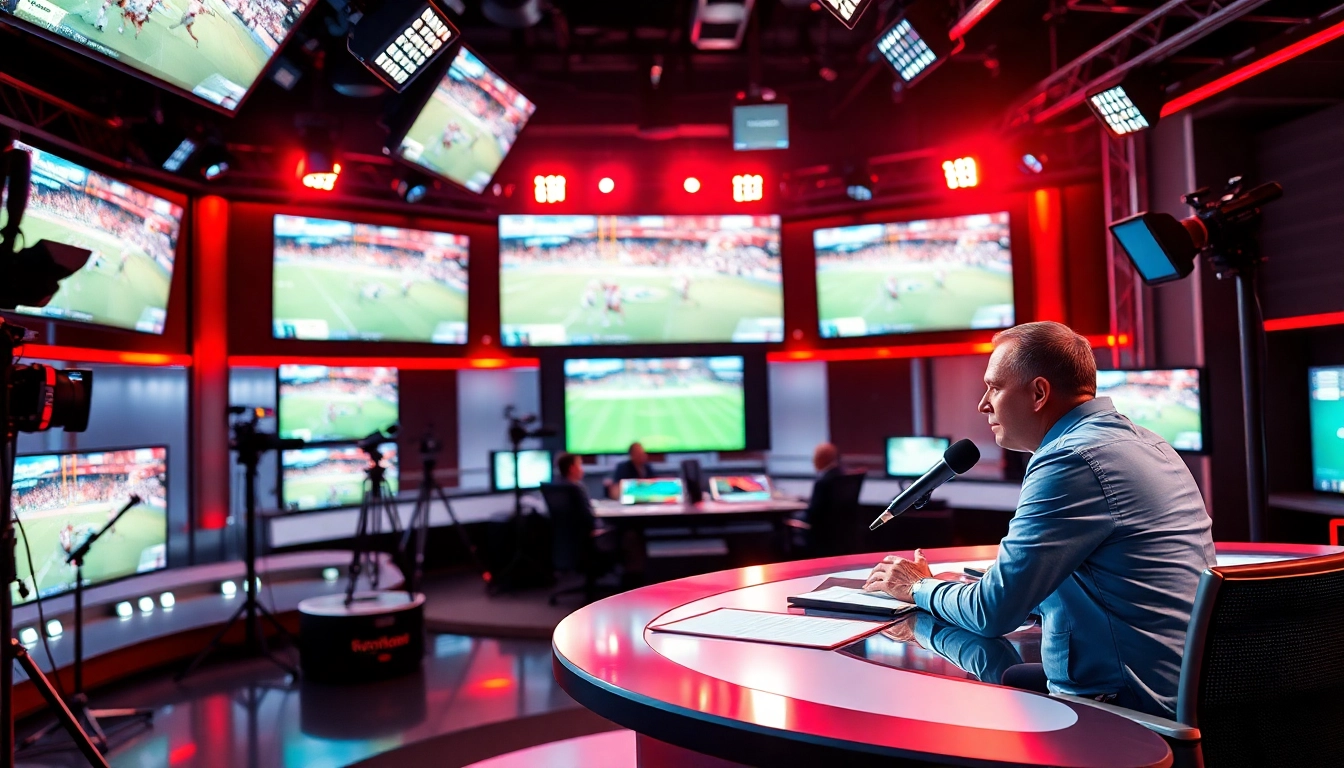
Understanding the Basics of Sports Broadcasting
What is Sports Broadcasting?
Sports Broadcasting is the dissemination of sports-related content through various media platforms, primarily television, radio, and the internet. It plays a crucial role in how fans engage with their favorite sports. This involves live coverage of games, analysis, commentary, and highlights that elevate the spectator experience. With the rise of digital platforms, Sports Broadcasting has become more accessible and interactive than ever before, allowing fans to tune in from virtually anywhere.
The Evolution of Sports Broadcasting
The history of Sports Broadcasting is rich and varied, beginning with radio broadcasts in the early 20th century, where local games were shared with communities. The advent of television in the mid-20th century transformed how people experienced sports. Iconic moments, like the 1969 Baseball World Series, captivated millions, leading to explosive growth in viewership and ad revenues. More recently, the rise of the internet has diversified broadcasting methods, allowing for streaming services and mobile apps, which have revolutionized audience engagement.
Key Terms in Sports Broadcasting
To navigate the world of Sports Broadcasting effectively, it’s important to understand some key terms, such as:
- Play-by-Play: The real-time description of the action during a sporting event.
- Color Commentary: Analysis and opinions provided by commentators to enhance the viewer’s understanding of the game.
- Television Rights: Legal agreements that grant networks the right to broadcast specific sporting events.
- Live Streaming: Broadcasting events in real-time over the internet, accessible on various devices.
Essential Techniques for Effective Sports Broadcasting
Analyzing Game Events in Real-Time
An essential skill for sports commentators is the ability to analyze game events as they unfold. This involves understanding the dynamics of the game, recognizing key players’ strategies, and conveying this information in an engaging manner. Effective real-time analysis can turn a casual viewer into a passionate fan, as the commentator builds a narrative around the game.
Utilizing interactive technology can also enhance real-time analysis. Graphics, animations, and instant replays allow commentators to illustrate points, highlighting tactical shifts and player movements dynamically. This technology, combined with a knowledgeable commentary team, can elevate the viewing experience.
Engaging with the Audience
Engagement is crucial in Sports Broadcasting. Broadcasters must develop a connection with their audience, fostering a sense of community. This can be achieved by incorporating audience feedback, social media interactions, and on-screen graphics that highlight fan predictions or comments. Viewers are more likely to stay tuned if they feel their voices are heard and valued.
Additionally, broadcasters may host live Q&A sessions during broadcasts or utilize social media platforms to respond to viewer comments in real-time. Such interactions improve viewer retention and promote loyalty to the broadcasting platform.
Creating Compelling Content
Content is king in Sports Broadcasting. Beyond live game coverage, broadcasters should create compelling pre-and post-game content, include player interviews, behind-the-scenes footage, and expert analysis. This additional content keeps fans engaged and creates a richer narrative around the sporting event.
Season previews, player spotlight segments, and fan-centric stories foster a deeper emotional connection with the audience. Thoughtful storytelling can transform mere statistics and scores into engaging narratives that resonate with fans, making them feel like part of the game.
Trends Shaping the Future of Sports Broadcasting
Role of Technology in Broadcasting
Technology is dramatically transforming the landscape of Sports Broadcasting. High-definition broadcasts, augmented reality (AR), and virtual reality (VR) are providing fans with unprecedented experiences. For example, VR technology can transport viewers to the front row of a live event, offering a much more immersive experience than traditional broadcasts.
Additionally, data analytics is playing a significant role, allowing broadcasters to present in-depth statistics and insights in real-time. By leveraging big data, broadcasters can enhance the storytelling aspect of sports, providing viewers with more context around player performance and team strategies.
Interactive Broadcasting Opportunities
Interactive broadcasting is becoming increasingly popular, creating opportunities for more engagement. Platforms encourage viewers to participate in polls, quizzes, or instant feedback during live broadcasts. This not only increases engagement but also provides broadcasters with invaluable viewer insights.
Furthermore, many broadcasters are beginning to integrate gamification elements into their broadcasts, allowing audiences to play along with live events through platforms or applications. This innovative approach cultivates an interactive community and enhances viewer loyalty.
Impact of Social Media on Sports Broadcasting
Social media’s influence on Sports Broadcasting cannot be overstated. Platforms like Twitter, Instagram, and TikTok are becoming integral to how fans consume sporting content. Highlight reels, short interviews, and even live updates are easily shared, allowing for more immediate interaction.
Moreover, social media serves as a valuable tool for broadcasters to gauge audience interest and trends. By examining activity on social platforms, broadcasters can fine-tune their content strategies to align with viewer preferences, ultimately enhancing engagement and viewership.
Challenges Faced in Sports Broadcasting
Managing Live Broadcasts Under Pressure
The nature of live Sports Broadcasting inherently involves high-pressure situations. Commentators and technical teams must remain composed while ensuring seamless coverage. Unexpected events like weather interruptions or technical failures can complicate live broadcasts, requiring quick thinking and adaptability.
Training team members, including commentators and production staff, to handle pressure is paramount. Regular drills and scenario planning can prepare teams for live situations, mitigating potential issues and ensuring smooth broadcasts.
Navigating Legal Aspects and Rights
Broadcasting rights are a complex landscape that sports networks must navigate carefully. Legal issues related to copyright, broadcasting rights, and international regulations can pose significant challenges. Understanding these laws is essential for compliance and avoiding costly penalties.
Clear agreements with sports leagues, teams, and digital platforms should dictate the scope of broadcasting rights while also covering aspects like territorial restrictions and revenue sharing. Constant updates and legal counsel help remain compliant with evolving regulations.
Dealing with Viewer Preferences
Every viewer has unique preferences, making it challenging for broadcasters to cater to all audiences. Some fans may prefer in-depth analysis, while others may enjoy a more lively commentary style. Understanding these preferences through surveys and feedback loops is essential for broadcasters to tailor their content and delivery to meet diverse audience demands.
Regularly updating and personalizing content, based on viewer analytics, can improve viewer satisfaction and enhance loyalty. Creating multiple viewing options or styles, such as ‘main stream’ and ‘alternative stream,’ allows audiences to choose what they prefer.
Metrics for Evaluating Sports Broadcasting Success
Viewership Analysis
One of the primary metrics for assessing Sports Broadcasting success is viewership analysis. This involves monitoring how many people are tuning in to watch an event, which networks garner the most viewers, and during which segments viewership tends to spike or drop.
Utilizing tools to track ratings and audience demographics provides broadcasters with targeted insights into their viewership, allowing them to adapt content strategies to better suit audience preferences and maximize future engagement.
Engagement Metrics and Feedback
Engagement metrics, such as social media interactions, viewer polls, and comment section activities, are critical indicators of how well audiences connect with broadcasts. Analyzing these interactions helps broadcasters gauge viewer sentiment and improve content delivery accordingly.
Using surveys and follow-up feedback from viewers aids in understanding their preferences more deeply and allows for more tailored content strategies in the future.
Revenue Streams in Sports Broadcasting
Commercial success in Sports Broadcasting often hinges on diversifying revenue streams. Traditional ad revenues are supplemented through subscription models, merchandise sales, and partnership deals. Understanding the balance of these revenue streams is crucial for long-term sustainability.
By adjusting marketing strategies, broadcasters can capitalize on trends, maximizing revenue while ensuring quality content remains the priority. Innovative brand partnerships can create more engaging opportunities for both sponsors and viewers.
Frequently Asked Questions
What is Sports Broadcasting?
Sports Broadcasting is the practice of delivering sports event coverage through various media like television, radio, and online platforms to engage fans.
How has technology changed Sports Broadcasting?
Technology has introduced HD broadcasts, VR experiences, and real-time analytics, enhancing audience engagement and offering more immersive experiences.
What role does social media play in Sports Broadcasting?
Social media offers platforms for sharing highlights and engaging with fans in real-time, significantly increasing reach and interaction with audiences.
What are key metrics to evaluate Sports Broadcasting success?
Key metrics include viewership numbers, engagement rates, and revenue streams, which help gauge the effectiveness and popularity of broadcasts.
How do broadcasters manage the pressure of live events?
Broadcasters manage pressure through thorough preparation, training exercises, and scenario planning to ensure smooth live coverage despite potential disruptions.